


Walking through the Salt Palace Convention Center while attending ACEP this year, I wore two hats: a clinician and a vendor. My first time at this conference, it was interesting to see solutions that focus on minimizing ED workflow challenges and the variety of vendors focused on AI.
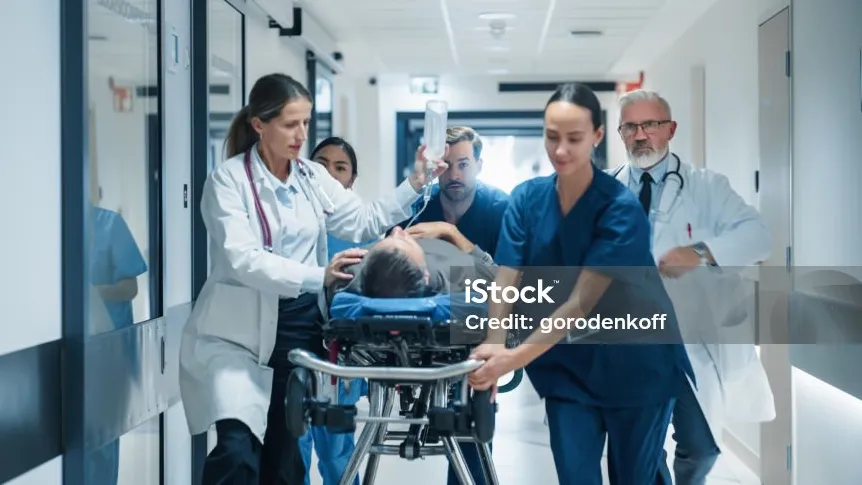
Coming from the bedside as a critical care nurse, I understand the pain points – 16-hour shifts, boarding patients, constant interruptions that fragment care. These aren’t abstract problems when you’ve lived them.
The Questions That Matter Most
What struck me most was the nature of conversations at the Prenosis booth. Instead of the typical “what does this product do?” physicians asked, “Can this product actually work in a chaotic ED?”
This shift toward real-world applicability tells us everything about where emergency medicine is headed.
Beyond the intricacies of the data science powering AI tools, providers want to know:
- How does this integrate with our existing workflow without adding more clicks?
- Will this save time, or create more documentation burden?
- What happens when my clinical judgment is incongruent with AI-based results?
As a clinician, I could answer those questions from experience. I understand the 3 a.m. chaos, the competing priorities, the split-second decisions that define our specialty. This perspective allows me to move beyond sales pitches to genuine colleague-to-colleague conversations about tools that could meaningfully impact workflow.
Building Trust Through Shared Experience
This dual role creates something invaluable: trust. At events such as ACEP, I’m there to discuss how technology, like Sepsis ImmunoScore™, which helps providers make confident decisions in high-pressure situations, can address the challenges we face together. When I can speak to the clinical need and the technological solution, conversations become more authentic and productive.
Beyond the Swag: What ACEP Really Represents
ACEP isn’t about collecting vendor swag – it’s about amplifying clinicians’ voices. The providers who attend conferences like this are actively seeking solutions that create measurable impacts on the patient outcomes that matter most.
They’re asking the hard questions because they know their patients deserve tools that work not just in ideal conditions, but in the beautiful chaos that is emergency medicine. Every question about workflow integration or alarm fatigue represents a provider thinking about their next shift, their next patient, their next split-second decision.
Looking Forward
As a clinician and someone working in healthcare technology, ACEP 2025 reinforced my belief that the future of emergency medicine lies not in choosing between human expertise and artificial intelligence, but in the thoughtful combination of both.
The most successful tools will be those developed by teams who understand the clinical environment, the technical requirements, and the human factors that determine whether a solution thrives or gets abandoned after the pilot phase.